
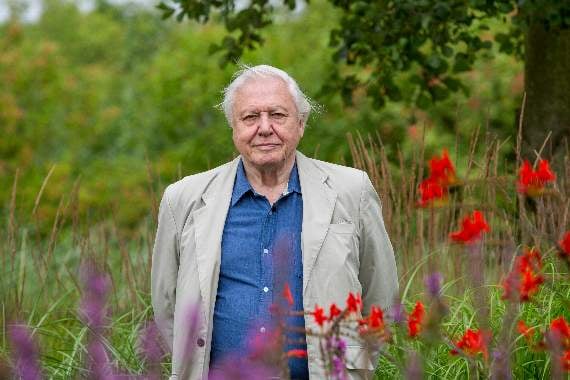
Veteran broadcaster and naturalist Sir David Attenborough is urging people to take part in this year’s Big Butterfly Count survey to help reveal how widespread species are faring this summer.
Last year was the fourth worst on record for butterflies, with common species such as the Small Tortoiseshell, Peacock, Meadow Brown and Gatekeeper experiencing decline. However, the warm, dry spring and early summer experienced over much of the UK so far this year could offer butterflies some respite if the good weather continues.
The Big Butterfly Count is the world’s largest butterfly survey, which encourages people to spot and record 18 species of common butterflies and two day-flying moths during three weeks of high summer.
Launched by Butterfly Conservation on July 14 at the Wildfowl and Wetlands Trust’s London Wetland Centre, and with events taking place across Hampshire, including at the Magdalen Hill Down reserve near Alresford, the Great Butterfly Count will run until Saturday, August 6.




A Butterfly Conservation spokesman said: “People can do as many or as few counts as they want, anywhere and anytime between these dates. All of it is valuable data that will be collated and could inform future conservation activity in your area.”
The count is sponsored by Waitrose, whose head of sustainability and responsible sourcing, Tor Harris, said: “We recognise the fundamental role pollinators play in the production of food and are committed to supporting their future which is why we’re delighted to be sponsoring the Big Butterfly Count for the second year and helping grow this important event.”
Taking part in the count is easy. Simply find a sunny spot and spend 15 minutes counting the butterflies you see and then submit sightings online at bigbutterflycount.org or via the free Big Butterfly Count app.
Warning of a “critical summer for butterflies”, Butterfly Conservation president Sir David said: “The next few weeks are a vital period for our butterflies. They need to make the most of this chance to feed and breed.
“Last year, despite a warm summer, butterflies like the Small Tortoiseshell, Peacock, Meadow Brown and Gatekeeper saw their numbers fall as a warm winter and cold spring earlier in the year led to problems that affected their numbers later on.
“Worryingly, we are now seeing the fortunes of some of our once common butterflies mirror those of our rarest species and they too are now also suffering significant declines with butterflies declining more rapidly in urban areas than in the countryside.”
He continued: “In the last decade our butterflies have experienced several poor years and although resilient, they simply cannot sustain repeated losses, especially if the habitats they need in order to rebuild their populations are also under threat.”
More than three-quarters of the UK’s butterflies have declined in the last 40 years with some common species, such as the Small Tortoiseshell, suffering significant slumps.
This year’s count follows new findings that butterflies are declining more rapidly in urban areas than in the countryside.
As many Big Butterfly Counts take place in gardens, parks and urban green space, this year’s results from these habitats will help inform conservationists on how to make urban landscapes more butterfly-friendly.
Richard Fox, Butterfly Conservation’s head of recording, said: “With increasing numbers of our common and widespread butterflies in long-term decline, the Big Butterfly Count is more important than ever. Simply taking 15 minutes out of your normal day to enjoy the sunshine and count butterflies can help us monitor their populations. It’s a win-win for wildlife.”
Sir David added: “Taking part in the Big Butterfly Count is good for butterflies and it is also good for us all. The count is good for butterflies because your sightings will tell us which species need help and in which areas we need to help them.
“But the Big Butterfly Count is also good for you because 15 minutes spent watching butterflies in the summer sunshine is priceless; spending time with butterflies lifts the spirits and reinvigorates that sense of wonder in the natural world.”
Comments
This article has no comments yet. Be the first to leave a comment.