
A U-turn by the Chancellor of the Exchequer over National Insurance contributions for self-employed workers has led to a call for a detailed and comprehensive review into achieving a level of “fairness” in the system.
Commenting on the Chancellor’s decision to reverse plans to increase Class 4 National Insurance contributions for the self-employed, as proposed in the Spring Budget, Paula Joyce, tax manager for Alton-based accountants Sheen Stickland believes “now is the time for a detailed and comprehensive consideration of how the self-employed should be taxed and the differences in tax systems between the employed and the self-employed”.
But she warned: “Achieving a level of fairness acceptable to all will be very difficult indeed.”
The decision to scrap the increase followed strong criticism by both Labour and a number of backbench Tory MPs, who argued that it would break the Conservative manifesto pledge not to raise National Insurance, VAT and income tax for five years.




Reflecting on the U-turn, the Resolution Foundation (a living standards think tank charity) said in a staement: “The Government has missed an opportunity to correct a big structural flaw in our tax system which allows better off self-employed workers to pay far less tax than employees.”
Conversely, the Association of Independent Professionals and the Self Employed said that two-and-a-half million “hardworking people will sleep easier tonight” following the U-turn.
Ms Joyce said: “While the increase in Class 4 National Insurance has now been stopped due to a manifesto pledge, it appears part of the Government’s strategy going forward to reduce what it perceives as the anomalies between the amounts of tax (including National Insurance contributions) individuals pay depending on the structure of their business.”
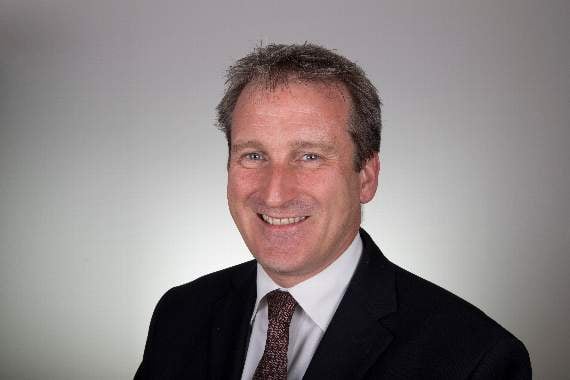
Commenting on the U-turn, Minister for Employment and East Hampshire MP Damian Hinds said: “The gap between benefits available to the self-employed and those in employment has closed significantly over the last few years, especially with the introduction of the new state pension last year.
“The difference in National Insurance contributions for employees and the self-employed is no longer reflective of the gap. Meanwhile, there has been a significant increase in self-employment and over time this does erode the tax base on which of course our public services rely.”
He added: “Although the changes in Class 4 National Insurance contributions proposed in the budget did not contravene the legislation we passed to enact the manifesto commitment we had on tax, it has become clear that this test was not enough and there was a wider point about the spirit of the manifesto commitment. Hence the decision not to proceed with the Class 4 changes.
“The abolition of Class 2 National Insurance contributions will go ahead next year as already announced.”
There are currently two types of National Insurance for the self-employed – Class 2, if profits are £5,965 or more per year (amounting to £2.80 per week); and Class 4, if profits are £8,060 or more a year, which remains at nine per cent on profits up to £43,000 and two per cent on profits of more than £43,000.
Comments
This article has no comments yet. Be the first to leave a comment.