
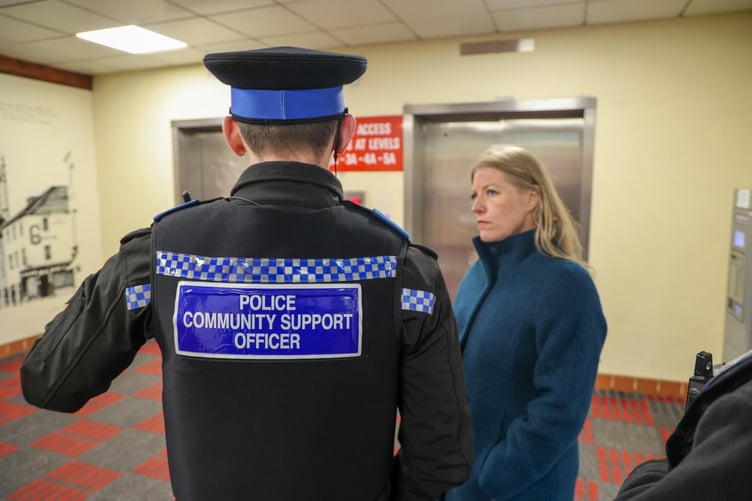
Hampshire Police and Crime Commissioner (PCC) Donna Jones is calling for urgent action to increase access to the overdose-reversing drug naloxone amid rising opioid-related deaths.
Following the government’s announcement earlier this week of a ten-week UK-wide consultation, the Hampshire and Isle of Wight PCC warned of a worrying increase in access to synthetic opioids.
Ms Jones said she has been asking the Home Office to act since last year.
“Naloxone saves lives and we must do all we can to help some of the most vulnerable people in our society at their most vulnerable moments,” she said.



“Hampshire and Isle of Wight Constabulary were one of the first police forces in the country with some officers carrying naloxone. We are trying to deal with an explosion in the access to and use of synthetic opioids, which is leading to increased numbers of deaths by accidental overdose.
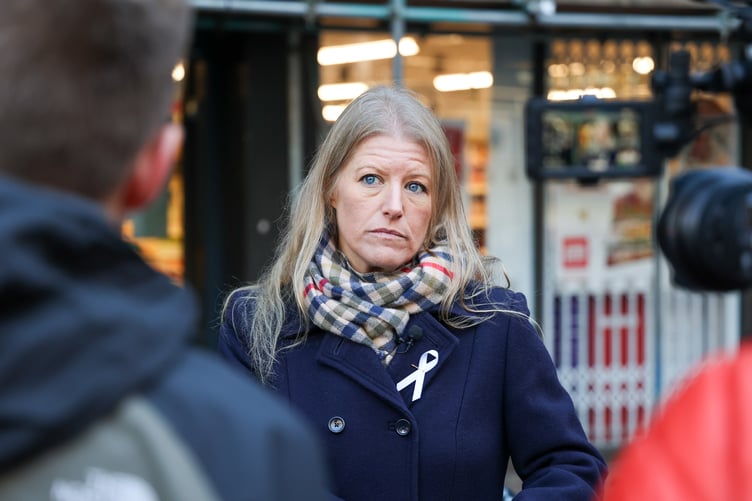
“I supported the move for all police officers to carry naloxone and raised this issue nationally 18 months ago with the Home Secretary. I said that the government needed to push the distribution and use of naloxone by police officers, to save more lives from opioid overdoses.
“Police are often the first to discover someone having an overdose, during routine duties such as a welfare check or patrol. Having naloxone readily available to these officers would enable prompt action and provide a better chance of saving a life.
“I will continue to lobby the government on this issue to ensure wide availability of naloxone in a variety of settings, including police officers, across our two counties.”
There are currently 32 UK police forces with some provision of naloxone, including Hampshire and Isle of Wight Constabulary. Ongoing provision means some police officers or staff carry naloxone during their duties on a permanent basis.
As of December 2024, across England and Wales, approximately 6,800 police officers and 880 police staff were carrying naloxone day to day, with the drug also available in 950 police vehicles.
From June 2019 to December 30, 2024, police in England and Wales administered naloxone 554 times.
Hampshire and Isle of Wight Constabulary ran a pilot scheme almost three years ago, training volunteers from neighbourhood policing teams and armed response vehicles to administer the drug.
The pilot was supported by South Central Ambulance Service, Southampton City Council, Portsmouth City Council, the Society of St James and Change, Grow, Live.
The constabulary’s Clinical Governance Board oversees naloxone use by officers and staff, with each administration assessed and audited by the force clinical governor.
Naloxone temporarily reverses the effects of opioid drugs including heroin, methadone, fentanyl, oxycodone, buprenorphine and morphine, and is administered via the nostril.
Ms Jones is also seeking improved criminal justice pathways for drug users and has introduced Drug Testing on Arrest.
Launched in Hampshire and the Isle of Wight in October 2022, the scheme applies when someone is detained for a trigger offence. A trigger offence is a specific offence defined in law which allows police to carry out drug testing on arrest, usually for Class A drugs.
It aims to identify people who misuse specified Class A drugs and commit crime to fund their habit, steering them out of offending and into treatment at the earliest opportunity.
Comments
We've recently changed our login process. If you have an account for commenting, you will need to re-register on the login window.
This article has no comments yet. Be the first to leave a comment.