
A new Government Road Safety Strategy aims to cut deaths and serious injuries by 65 percent by 2035, but Hampshire’s Police and Crime Commissioner said the action had come too late.
The Government today published its first Road Safety Strategy in more than a decade, setting out plans to reduce deaths and serious injuries on Britain’s roads by 65 percent by 2035, with a 70 percent target for children under 16.
Launched on Wednesday, January 7, the strategy includes consultations on lowering the drink-drive limit in England and Wales, introducing a minimum learning period for learner drivers, mandatory eyesight testing for drivers over 70, and new measures to tackle speeding, drug driving, mobile phone use and illegal number plates.
The Department for Transport said approximately four people die on Britain’s roads every day, with thousands more seriously injured each year, adding that targeted action could prevent many of those deaths.




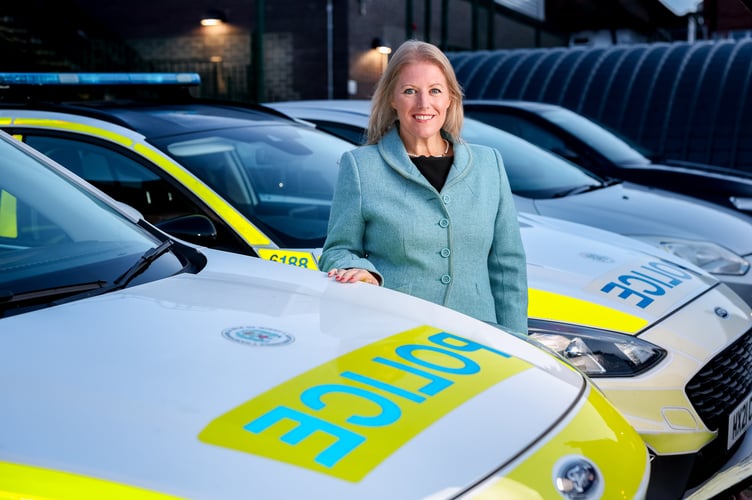
Responding to the strategy, Hampshire and Isle of Wight Police and Crime Commissioner (PCC) Donna Jones said road safety had been one of her top priorities since taking office in 2021.
She said: “While the Government’s road safety strategy is welcome, it’s taken far too long to get to this point – ultimately costing lives and devastating families and communities in the process.
“That’s why I’ve stepped in to take decisive action to protect our road users here in Hampshire and the Isle of Wight.
“I’ve recently invested £500,000 in my Road Safety Fund and launched a new Safer Road initiative, investing in state-of-the-art equipment for our Roads Policing Units to tackle issues like speeding and drink and drug driving.
“I’m also spending more than £600,000 on average speed cameras for one of the most dangerous stretches of road in Hampshire, which has seen 61 injury incidents over the past five years, including four fatalities.
“Every serious injury or death on our roads is one too many.
“This is about protecting families, saving lives, and I’m determined to make sure every road, from busy towns to quiet villages, is safer for everyone.”
Under the national strategy, the Government will consult on lowering the drink-drive limit, which has remained unchanged since 1967 and is currently the highest in Europe. In 2023, one in six road fatalities involved drink driving.
Consultations will also explore the use of preventative technology such as alcohol interlock devices, which could be required for some offenders as a condition of being allowed to drive again.
Young driver safety is another key focus. Drivers aged 17 to 24 make up just 6 percent of licence holders but are involved in 24 percent of fatal and serious collisions. Ministers will consult on introducing a three or six-month minimum learning period.
The strategy also proposes mandatory eyesight testing for drivers over 70, action against uninsured drivers and vehicles without a valid MOT, and new enforcement powers targeting so-called ‘ghost’ number plates.
Transport Secretary Heidi Alexander said: “Every life lost on our roads is a tragedy that devastates families and communities. For too long, progress on road safety has stalled. This strategy marks a turning point.
“We are taking decisive action to make our roads safer for everyone, from new drivers taking their first lessons to older motorists wanting to maintain their independence. The measures we are announcing today will save thousands of lives over the coming decade.”
Local Transport Minister Lilian Greenwood said the strategy treated road safety as a shared responsibility and aimed to ensure fewer families experienced the loss of a loved one.
The strategy adopts a ‘Safe System’ approach, focusing on road design, vehicle safety, enforcement and education, and includes plans for a new Road Safety Investigation Branch and the introduction of 18 new vehicle safety technologies.
Ms Jones will host a Road Safety Summit in March, bringing together local councils, highways authorities, police and road user groups to share best practice and reinforce her commitment to safer roads in Hampshire and the Isle of Wight.
Comments
We've recently changed our login process. If you have an account for commenting, you will need to re-register on the login window.
This article has no comments yet. Be the first to leave a comment.