
OUR bees aren’t just an iconic sign of a British summer, they are vital for pollinating much of the food we enjoy every day, and the wildflowers that decorate our countryside.
But Britain’s bees are under threat, with around 35 UK species considered to be at risk of extinction, from loss of habitats, pesticides and intensive farming.
This is why Friends of the Earth is currently running the Great British Bee Count, which continues until June 30.
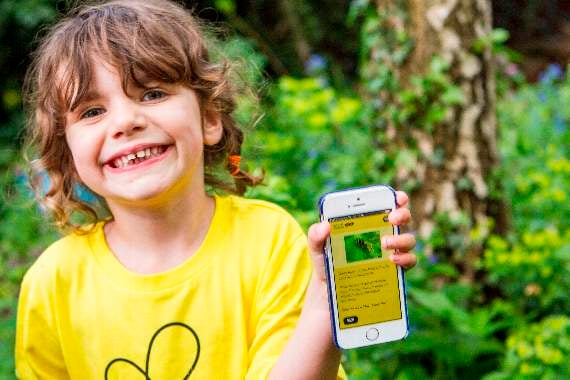
By downloading a fun, free app you can find out more about the bees that visit your gardens, parks and neighbourhoods, and find out what you can do to help them – such as creating bee-friendly spaces. It’s a great nature activity to do with children, encouraging them to get up close with these wonderful insects.
 Patriotism or provocation? Flag row erupts in Alton
 Less than three-quarters of A&E arrivals at Portsmouth Hospitals seen within four hoursJust two-thirds of A&E arrivals at Hampshire Hospitals Trust seen within four hoursNearly all minor injury unit arrivals at Hampshire and Isle of Wight Trust seen within four hours
You can also send in sightings and photographs of the bees you spot.
By taking part in the Great British Bee Count, you can help Friends of the Earth to learn more about bees so that the government and others can decide on the actions needed to help reverse bee decline.
Bees are vital to a healthy environment and healthy economy. Around 75 per cent of the food we eat needs to be pollinated, and bees – wild bees, not just honey bees – are major players in that job. Bees also help keep our green spaces flourishing. That includes gardens, parks and streets, as well as uncultivated areas like woodland, heath and grasslands.
But since 1900 the UK has lost around 13 species of bee. A further 35 are considered under threat of extinction.
Bees face a combination of threats such as the loss of their habitat and food sources, exposure to harmful pesticides, climate change and chaotic weather, as well as pests and disease.
Like us, bees need a safe climate and clean air. They also need natural habitats and farmland that support wildlife and are free from pesticides.
While there is clear evidence that bees have declined in occurrence and diversity, scientists and decision-makers still don’t have enough data about pollinators, including bees. This is especially true of some species of bumble and solitary bees, which are among the most vulnerable.
Bees are beautiful and fascinating insects. We may take them and other pollinators like butterflies and hover flies for granted, but they are vital for stable, healthy food supplies. They are key to the varied, colourful and nutritious diets we need and have come to expect.
Bees are perfectly adapted to pollinate, helping plants grow, breed and produce food. They do so by transferring pollen between flowering plants and so keep the cycle of life turning.
The vast majority of plants we need for food rely on pollination, especially by bees which pollinate around 80 per cent of wildflowers in Europe.
But bees are in trouble. There is growing public and political concern at bee decline across the world. More than ever before, we need to recognise the importance of bees to nature and to our lives. And we need to turn that into action to ensure they don’t just survive but thrive.
Types of bees:
There are more than 20,000 known species of bee globally. Around 270 species of bee have been recorded in the UK, including the famous honey bee.
Most honey bees are kept by beekeepers in colonies of managed hives. The rest of our bees are wild, including 25 bumblebee species and more than 220 types of solitary bee.
Like honey bees, the familiar bumble bee lives in social colonies – usually in holes in the ground or tree cavities.
Solitary bees tend to nest on their own, as the name suggests. Each female builds and provisions her own nest with food. Solitary bees include mining bees which nest in the ground, as well as mason bees and leafcutter bees that nest in holes in dead wood, banks and walls.
Bees gather pollen to stock their nests as food for their young. They have special features to collect it – like branched hairs called ‘scopae’ or combs of bristles called pollen baskets on their legs. As bees visit plants seeking food, pollen catches on their bodies and passes between plants, fertilising them – that’s pollination.
While they are not the world’s only pollinators, bees are generally the most effective.
A spokesman for Friends of the Earth said: “More than 90 per cent of the leading global crop types are visited by bees.”
Bees are a fantastic symbol of nature. That they are in trouble is a sign that our natural environment is not in the good shape it should be.
Pollinators allow plants to fruit, set seed and breed. This, in turn, provides food and habitat for a range of other creatures. So the health of our natural ecosystems is fundamentally linked to the health of our bees and other pollinators.
The Friends of the Earth spokesman continued: “Long-term international or national monitoring of both pollinators and pollination is urgently required to provide information on status and trends for most species and most parts of the world.”
To join the buzz, visit greatbritishbeecount.co.uk.
Comments
This article has no comments yet. Be the first to leave a comment.