
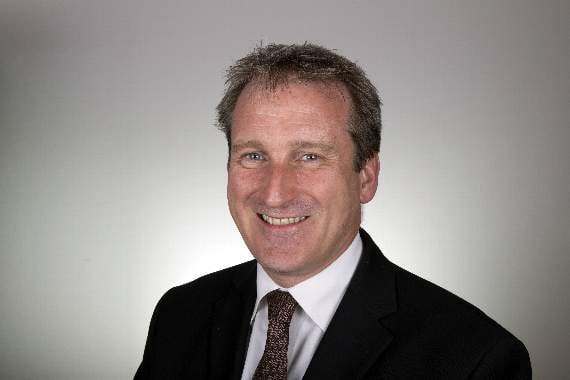
EAST Hampshire MP Damian Hinds has welcomed the latest employment figures and support for families in the new tax year.
Figures released by the Office for National Statistics last week show that employment has hit a record high - 32.26 million - up by more than three million since 2010, and the rate of employment is now at 75.4 per cent, the highest since comparable records began in 1971.
Mr Hinds welcomed the latest figures and with the range of Government measures that came into effect at the start of the new tax year, designed to help working families and businesses across the constituency.
He said: “We’re fortunate in East Hampshire to have one of the lowest claimant rates in the country, and these employment numbers are encouraging, particularly with news that wages are now rising faster than prices.




“Together with measures that came into effect with the new tax year, I think this is exactly the kind of news people across East Hampshire want to hear, helping to keep taxes low for hard-working families and businesses.”
Mr Hinds continued: “The tax-free personal allowance has risen from £11,500 to £11,850, meaning that a typical basic-rate taxpayer will pay more than £1,000 less in income tax in 2018-19 than in 2010, which is estimated to benefit around 49,000 people in East Hampshire.
“Income tax has been cut for more than 30 million people since 2010, with half-a-million taxpayers lifted out of the higher rate and four million of the lowest paid taken out of paying income tax altogether.
“More than two million workers have been given a pay rise by increasing the national living wage and the national minimum wage. The increase in the national living wage from £7.50 to £7.83 means that full-time workers in East Hampshire will earn £2,000 more per year than they did when it was introduced in 2016.”
In addition, Mr Hinds pointed out that fuel duty had been frozen for the eighth successive year, saving the typical car driver £850 and the average van driver more than £2,100 compared to the previous government’s plans.
Alcohol duties have also been frozen. Cuts and freezes made to beer duty since 2013 means that the tax on a typical pint will be 12p lower than it would have been otherwise.
Stamp duty has been cut for 95 percent of first-time buyers, and over the next five years this tax will help more than a million first-time buyers get onto the housing ladder.
An estimated 60,000 first-time buyers have already benefited.
And by switching the business rate indexation two years earlier than planned, this will save a typical high street shop £800 and a typical restaurant more than £1,600 by 2022-23. In addition, pubs will receive a £1,000 discount on business rates if they have a rateable value of £100,000 or less.
As many as 36,000 pubs could benefit, according to Mr Hinds.
The East Hampshire MP added: “The freeze in fuel duty is particularly welcome for people in rural areas such as East Hampshire, with the freeze in alcohol duties a boost for the many pubs that lie at the heart of our local communities.
“With higher than average house prices, we know that getting on the housing ladder is a challenge for local young people, so the cut in stamp duty for first-time buyers is an important way to help address that.
“And, importantly, the business rate changes will help the thousands of traders and shops that remain the backbone of our local economy.”
Comments
This article has no comments yet. Be the first to leave a comment.