
The year 2025 felt like one of transition in Farnham – a period in which the pieces were shaken up, with uncertainty about where they might finally settle.
Headlines were dominated by a familiar trio: planning controversies, council reorganisation and, of course, roadworks.
In February, the Ismaili Trust’s proposal for a funeral pavilion was approved by the planning inspectorate following an appeal, despite objections from Waverley Borough Council and local residents over traffic and access to the neighbouring park.
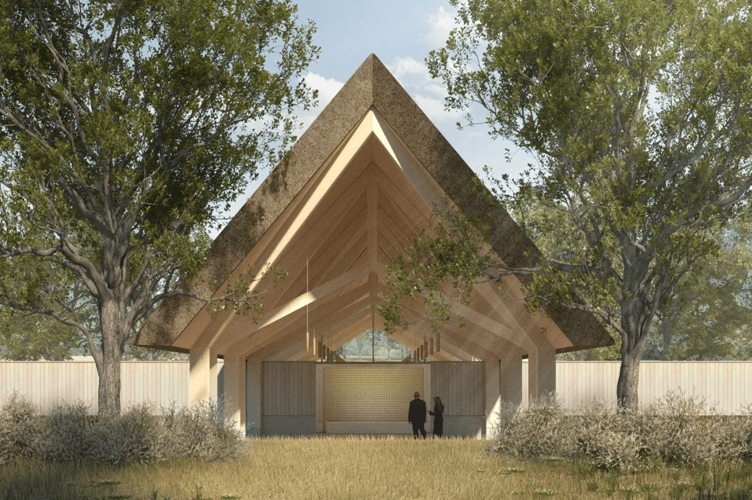
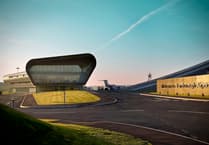
The trust hired Lord Charles Banner KC, one of the country’s leading planning lawyers, who described the design by Neil McLaughlin MBE as carefully shaped to sit within the landscape, calling it an “exceptional” building that would be “the pride of the town”.
Following the decision, trust director Naushad Jivraj said the organisation would “do as much for the community of Farnham as we can”, signalling a desire to move beyond a long-running and often fractious debate.
Alongside that high-profile decision, the Community Infrastructure Levy (CIL) became one of the most damaging controversies of the year. Waverley faced fierce criticism after residents were hit with eye-watering bills, in some cases up to £120,000, over minor administrative errors in annexe or extension paperwork.
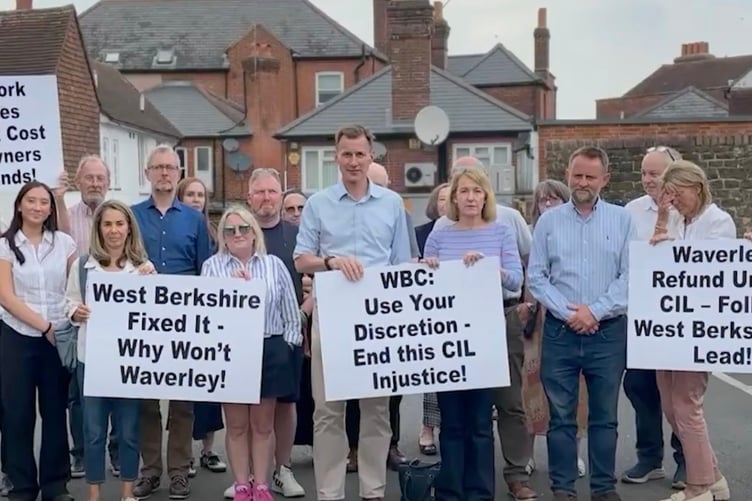
This prompted councillors from across the chamber to say they were “ashamed” of how the authority had handled the issue. Despite promises of reviews, many affected homeowners had still not been refunded by year’s end, and campaigners warned that trust in the council had been badly eroded. With the authority now entering its final year, the CIL campaign continues.
Nowhere were the town’s regeneration challenges more visible than along East Street.
In April, Farnham town councillors warned Brightwells was at risk of becoming a “ghost town” without urgent intervention. This prompted a firm response from Surrey County Council portfolio holder Cllr Natalie Bramhall, who said she retained confidence in the scheme.
Throughout the year, a small number of new businesses opened at Brightwells – including a creative hub, a sports bar and a coffee stand –bringing tentative signs of life to the development.

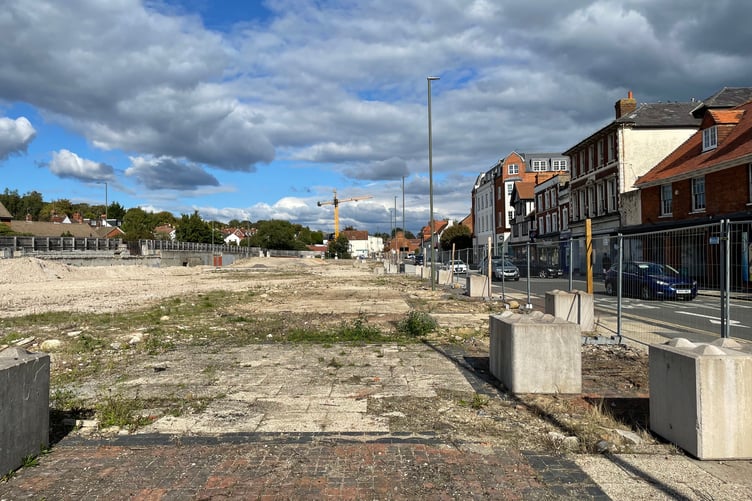
Nearby, Woolmead remained unresolved. The derelict East Street site continued to stand as one of Farnham’s most prominent eyesores, prompting the Herald’s “Sort Out Woolmead” campaign. Politicians from across the political spectrum backed calls for progress, urging Homes England to break years of inertia. Farnham and Bordon MP Greg Stafford described the situation as “totally unacceptable”, while civic groups warned the empty plot symbolised missed opportunities at the heart of the town.
Although Homes England again put the site on the market, many residents saw little to suggest a swift resolution was finally in sight.
Running beneath many of these stories was the growing certainty of local government reorganisation, with 2025 marking the penultimate full year of Waverley Borough Council.
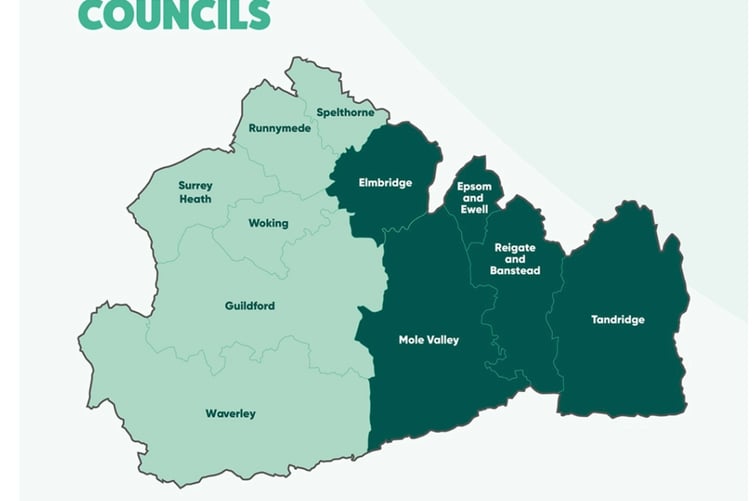
The council is set to be abolished and merged into a new West Surrey unitary authority alongside Guildford, Woking and Spelthorne in 2027, with elections for the shadow authority due in May 2026. While the change was presented by government as a simplification, it prompted deep concern locally, particularly around finances. Waverley has generally been viewed as a relatively stable council, leading to fears about how it would absorb the substantial debts carried by neighbours such as Woking and Spelthorne.
The Farnham Infrastructure Programme continued to edge forward against this backdrop, reshaping streets across the town through a rolling programme of pavement replacements, carriageway works and the introduction of a new traffic system. While the scheme was presented as a long-term investment in Farnham’s public spaces, its short-term impact was felt daily by residents, traders and motorists.
Disruption intensified in November, when Downing Street was closed to traffic, reopening temporarily in time for the Christmas trading period. Several businesses reported a noticeable drop in footfall during the closure, while councillors raised concerns about the practical outcomes of the works, with newly installed rain gardens described by some as “quagmires” during wet weather.

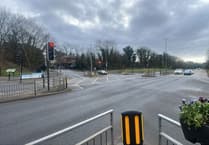
Patience has been tested as queues lengthened and diversions became the norm, and with further closures looming, including a three-month shutdown of The Borough from Castle Street to the Royal Deer junction next week, traders and residents are bracing for more disruption.
Alongside these challenges, Farnham’s community life remained a clear strength. Events such as the Farnham Carnival, the Duck Race and Christmas lights switchon drew large crowds, reinforcing the town’s reputation for strong volunteer-led traditions. Food festivals, markets and performances at the Farnham Maltings also continued to attract steady support throughout the year.
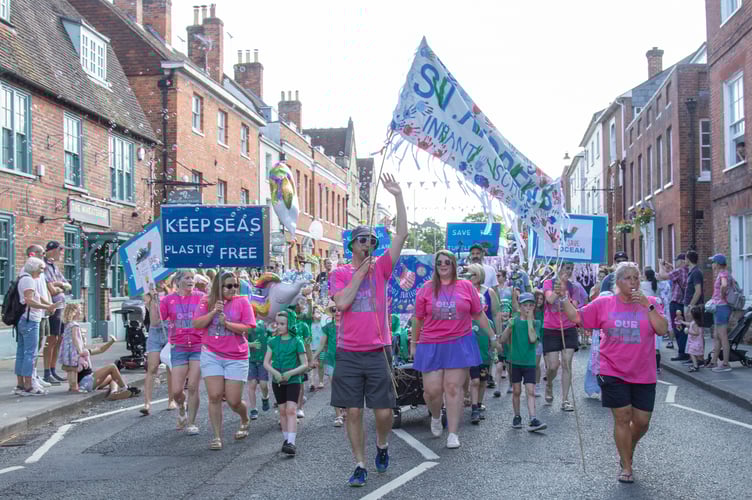
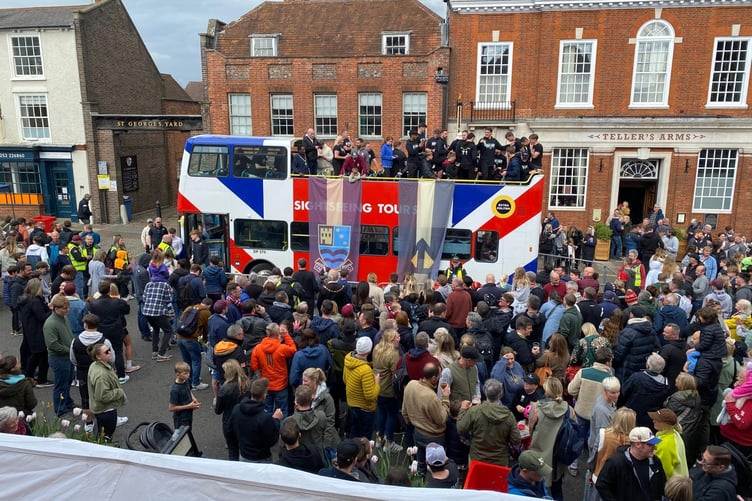
The town’s sports clubs provided further cause for celebration. Farnham Rugby Club were crowned champions of London 1 South, while Farnham Town Football Club won the Combined Counties Premier South title. Their achievements were marked by a joint open-top bus parade through the town in April, bringing supporters together for a moment of shared jubilation in the town centre.
Alongside these events, local charities and volunteer groups were also rightly applauded. Farnham Repair Café was formally presented with the King’s Award for Voluntary Service in January, recognising the efforts of its volunteers in repairing thousands of household items for residents and helping reduce waste across the town.
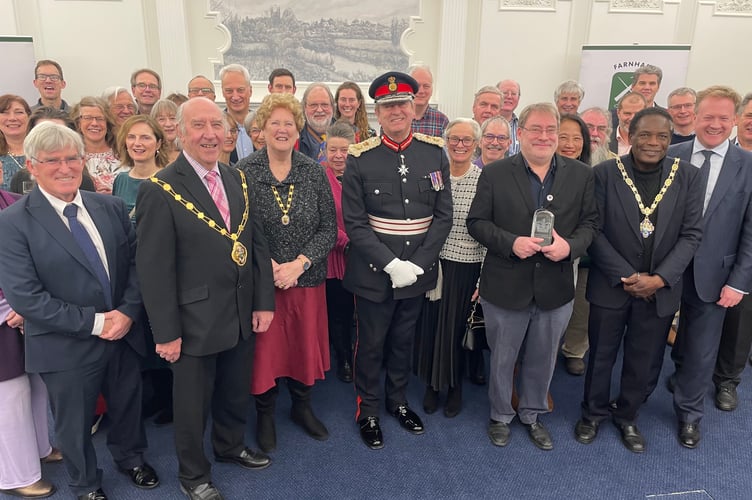
The Tice’s Meadow Bird Group also had a strong year, having also received the King’s Award for Voluntary Service for its work protecting and managing the nature reserve. The group went on to secure a further victory in July, when plans for a McDonald’s drive-thru near the site were refused following widespread opposition, a decision welcomed by conservationists and local residents.
As 2025 came to a close, however, many of Farnham’s biggest issues remained unresolved. With major regeneration sites still undecided, infrastructure works ongoing and local government reform approaching its final stages, the expectation is that by the end of 2026 there will be greater clarity on the town’s direction.
Comments
We've recently changed our login process. If you have an account for commenting, you will need to re-register on the login window.
This article has no comments yet. Be the first to leave a comment.