
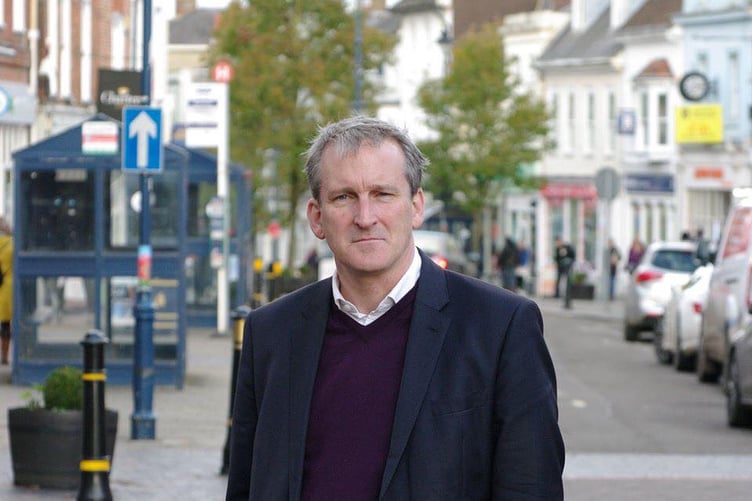
When Andy Burnham entered the Commons chamber to be re-sworn in as an MP, he was greeted by a one-two heckle: someone shouted “Rome is Saved!” and then someone else, “He’s not the messiah!”
Amid all the seriousness of what the nation faces and Parliament must consider, the chamber can occasionally offer some light relief and this was good Commons banter. Mr Burnham’s riposte, “Naughty boy!” – continuing the Monty Python theme – was equally quick and witty.
Andy Burnham is an affable man and you can easily see why many people like him.
But it looks like he is shortly to take on – possibly without even a contest – the highest political leadership post in the land. All his personal qualities will be tested.
Although he has been a familiar face in politics for many years, this will be quite the leap, for he has not been leader of the opposition, nor held one of the great offices of state.
He has had some successes as Mayor of Greater Manchester – but perhaps not quite as much as is sometimes supposed. It is certainly a city transformed. But it’s also true that much of that pre-dates his mayoralty.
His commitment to end rough sleeping in the city was without doubt a very personal and heartfelt one, and one I commend. The programme was innovative and did see some success – but following the Covid-era low, numbers grew again.
The contemporary-era initiative people speak of most is bringing the city’s bus network back under public control. It is perhaps too early to pass judgment. But in any event, while buses are obviously very important, what he will face from Downing Street will clearly be of an altogether different magnitude.
I have written before in this column – when Sir Keir’s departure looked all-but-certain but not quite confirmed – “It is not clear to me which of the government’s big problems are solved by a change of PM.”
A month on, that question hangs over the government no less.

To get unemployment down, and afford the higher defence spending we (and other Western nations) must find, requires reform of welfare spending and pro-growth, pro-business, pro-employment policies.
This is not where the Parliamentary Labour Party are at. The unravelling of the Starmer project had many formative moments – including the Family Farm Tax introduced without consideration of the adverse impact on rural communities like East Hampshire.
But the biggest turning point was the failure to deliver on welfare reform. Sir Keir and Rachel Reeves were set on this; it was their parliamentary party that stopped them.
Perhaps one good thing that would come from a no-contest appointment to No. 10 (if that is indeed what happens) is that it at least avoids an ‘auction of promises’ of things that would please the Labour backbenches but further harm the economy.
But to get control of public spending and grow the economy, avoiding that will not be nearly enough.
With a new leader and PM, we shall see what appetite the government benches have for the difficult decisions, in the national interest, that being Prime Minister requires.
Comments
This article has no comments yet. Be the first to leave a comment.