
“Yes, not even water.” That is usually where the conversation pauses.
In a town like Farnham, where daily life revolves around school runs and high street coffees, the idea of going from dawn to sunset without food or water can sound surprising.
Yet that is what Muslims across our town, and across Britain, are doing throughout the month of Ramadan.
This year is particularly striking, as Ramadan is unfolding alongside other important moments in the calendar. Many Christians are observing Lent, another period of fasting and reflection. At the same time, many communities are celebrating Chinese New Year.



Different traditions, different histories, yet all pointing toward reflection, discipline and hope. It is a reminder that Britain’s story has always included many rhythms, often overlapping, yet shared in the same towns and streets.
Ramadan arrives at a time when national conversations about immigration and identity feel louder than ever.
A recent poll reported in The Independent suggested more people in the UK now see immigration as the most pressing issue facing the country than in any other nation surveyed. Questions about who belongs, what it means to be British, and how communities live together are being debated across the country.
Ramadan is often misunderstood as simply a month of hunger. It is a month of discipline and self-reflection. Fasting is prescribed “so you may become righteous.”
Muslims abstain from food and drink (and water) from dawn until sunset but the deeper fast is from anger, gossip, ego and selfishness. If someone frustrates you, you respond calmly. If tempted to speak harshly, you hold back.
For British Muslims in Farnham, Ramadan unfolds in ordinary settings. Parents still commute. Students still revise for exams. Business owners still open their shops. Life does not stop; it simply becomes more mindful.
But what Ramadan also produces is something visible in our own community: service.
When you feel hunger yourself, even temporarily, you better understand those who face it daily. That is why charity increases during this month. Food banks see greater support. Volunteers give up evenings to distribute meals.
Members of the Ahmadiyya Muslim Community locally use Ramadan as a month of service: supporting local food banks, checking in on vulnerable neighbours and raising funds for charitable causes.
For Muslims, love of one’s country is considered part of faith. Serving your neighbour is not optional; it is a responsibility. Under the guidance of His Holiness Hazrat Mirza Masroor Ahmad, we are reminded that worship is incomplete if it does not translate into compassion and service to humanity.
Ramadan therefore is not a retreat from British life — it is a contribution to it.
As part of that spirit of openness and neighbourliness, I would like to personally invite readers and their families to attend The Big Iftar, a special Ramadan gathering at Mubarak Mosque at Islamabad, Tilford.
And if Britishness means fairness, responsibility, and care for others, then Ramadan does not weaken those values, it strengthens them.
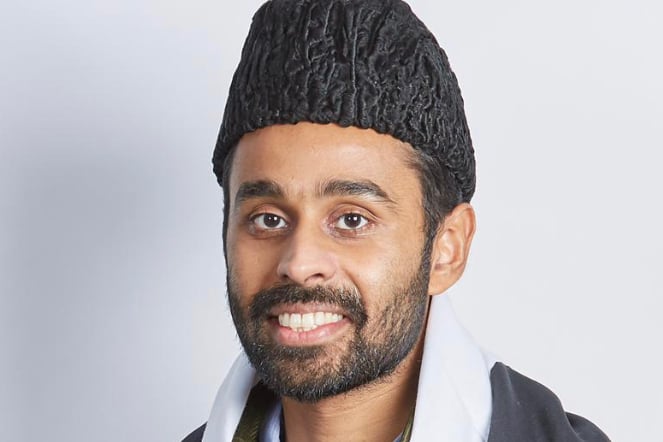
Imam Abdul Quddus Arif is a member of the Ahmadiyya Muslim Youth Association
Comments
We've recently changed our login process. If you have an account for commenting, you will need to re-register on the login window.
This article has no comments yet. Be the first to leave a comment.