
Last year, we launched the biggest upgrade to our infrastructure in 150 years to create a better service for you, reduce our impact on rivers, and respond to more extreme weather.
We know we haven’t always got things right; however, we’re doing things differently now and we wanted to share an update on our progress.
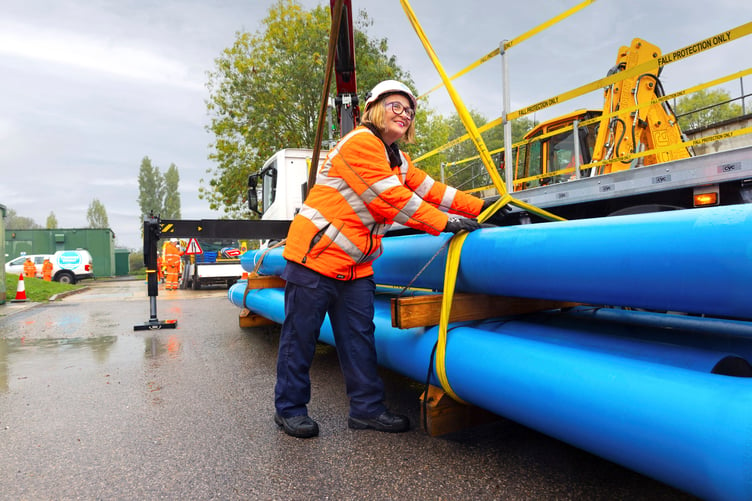
We've been investing an average of £7 million every day fixing leaks, replacing old pipes, upgrading sewage treatment works and protecting water quality. Our pipes could circle the world 3 times, so it will take time to make the improvements we all want to see, however we’ve started that journey. We’re speeding up our investment at the same time as continuing to deliver our essential services to 16 million people every day in London, the Thames Valley and Home Counties.
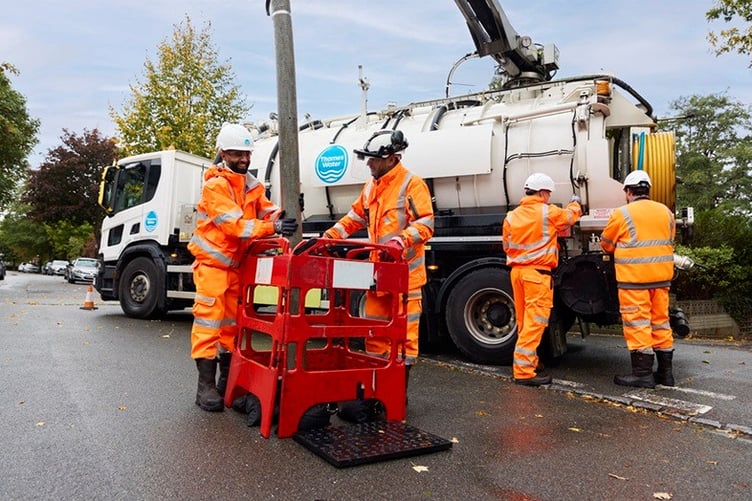
In the last 18 months, we’ve replaced over 100km of water mains across our region, to reduce our leakage and interruptions to water supply. Every year, we conduct half a million tests on our water, which ranks among some of the highest quality in the world. And to keep securing the quality of your drinking water, we upgraded 37 water quality sampling facilities last year.
To increase the capacity of our network for a growing population and to reduce pollution, we’re currently upgrading many sewage treatment works across our region, and there are more to come. Blocked sewer pipes cause sewage to back up into homes and streets, and we cleaned a record 1,700km of sewer pipes last year. This keeps sewage flowing through our network to our treatment works and helps protect rivers.
In London we’ve recently completed the London Tideway Improvement project which includes two brand new super sewers, with the Thames Tideway Tunnel, built by Tideway, reducing storm discharges into the tidal River Thames by 86% in its first year of operation. In other landmark infrastructure, we’re progressing our plans for the new White Horse Reservoir near Abingdon, which will help protect customers and the environment from drought in the future.
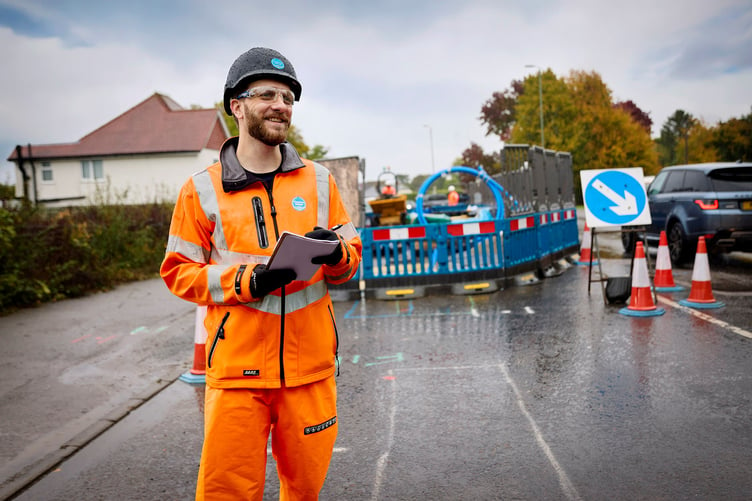
As we upgrade our pipes, you may see more disruption in your community as replacements can take longer than repairs. By replacing pipes, they’re less likely to burst and leak, meaning it will reduce disruption in the future. We will continue to increase the speed of our replacement programme in the next few years.
At the same time, we’re continuing to fix leaks faster, as our pipes are affected by more extreme weather. The record dry ground, combined with the need to pump billions of litres more water through our pipes, caused a spike in leaks and bursts during the heatwaves and drought.




We know we still have a way to go, however we wanted to share with you some of the steps we’re taking to upgrade Thames Water and to deliver an improved service for customers and the environment.
Visit thameswater.co.uk/biggestupgrade to find out more.
Comments
We've recently changed our login process. If you have an account for commenting, you will need to re-register on the login window.
This article has no comments yet. Be the first to leave a comment.